We Matched Story Mood to Art Style in 42 Kid-Made Books — Here’s What Worked Best
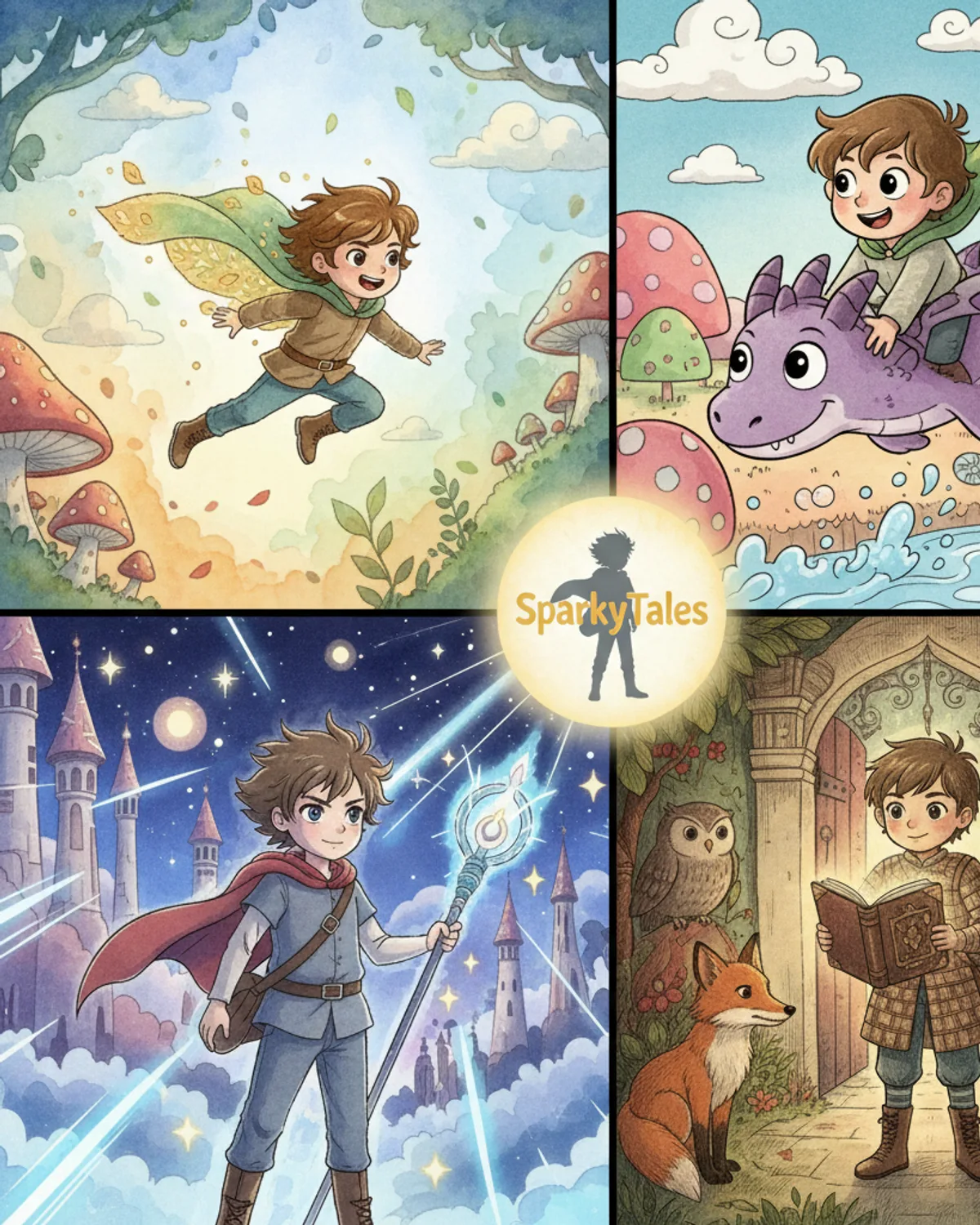
A parent in our weekend workshop printed the same story twice.
Same text. Same child author. Different art styles.
Version 1 used high-energy cartoon art. Version 2 used soft watercolor.
Her daughter asked for the cartoon version during daytime and the watercolor version at bedtime.
That tiny experiment captures what we noticed again and again: art style is not decoration. It changes reading pace, emotional tone, and whether kids want to return to a story.
The actual problem: people choose style by preference, not purpose
Most adults pick style by saying, “I like anime” or “cartoon looks fun.” That works sometimes, but it often creates mismatch.
What actually happens with a mismatch:
- Calm bedtime text + intense style = overstimulation
- Funny dialogue + muted style = jokes land flat
- Early readers + overly detailed scene = visual overload
When style matches story purpose, kids track plot more easily and write better follow-up pages.
Insight #1: style controls pacing more than text length does
In practice, we noticed that two pages with identical word count can feel very different depending on style.
- Cartoon/bold line styles tend to increase perceived speed.
- Watercolor/soft edge styles slow attention and invite lingering.
- Highly detailed classic styles increase scan time, which can help or hurt depending on reading level.
This means you can tune reading behavior with style choice before changing a single sentence.
Insight #2: reluctant writers produce longer text when style reduces “perfection pressure”
Some kids shut down when the visual result looks “too polished.” They assume their words must now be perfect too.
We saw better writing continuation when the selected style felt playful and forgiving (often cartoon or soft watercolor). Kids were more willing to draft messy ideas because the page felt less like a graded artifact.
Insight #3: style consistency matters more than style quality
Parents often ask, “Which style is best?”
The better question: “Can we keep this style stable for this story?”
Even a simple style works if it remains consistent. Frequent style switching weakens character continuity and makes young readers re-parse every page.
[See also: how AI illustration actually works page by page]
Style-by-style guide with real use cases
Watercolor: best for calm, reflective, and bedtime narratives
- Quiet emotional beats
- Nature stories
- Slower bedtime pacing
- Action scenes can feel too soft
- Comic timing may lose punch
Prompt example: “Soft watercolor, moonlit bedroom, child and cat by window, gentle blue palette, calm mood.”
Sample output effect: Children often describe these pages with sensory language (“quiet,” “soft,” “sleepy”), which is useful for bedtime routines.
Cartoon: best for humor, clarity, and beginner writing confidence
- Big expressions
- Fast plot movement
- Early readers who need clear subject focus
- Subtle emotions can look exaggerated
- Serious moments may feel less believable
Prompt example: “Bright cartoon playground scene, clear character expressions, one focal action: dropped lunch tray and friends reacting kindly.”
Sample output effect: Kids retell cartoon pages more quickly and often add dialogue bubbles in their own drafts.
Classic storybook: best for timeless adventure and richer atmosphere
- Folk tales, quests, historical-feel stories
- Pages where setting matters as much as dialogue
- Too much detail can distract emerging readers
- Longer generation iteration to keep consistency
Prompt example: “Classic storybook painting style, cobblestone village at dawn, child carrying lantern, warm textured palette.”
Sample output effect: Older kids (8+) often add more setting details after seeing this style.
Anime-inspired: best for emotional intensity and character arc stories
- Transformation stories
- Action/fantasy
- Tween creators who want dynamic expression
- Can overpower simple text
- Requires careful tone control for younger audiences
Prompt example: “Anime-inspired, windswept hilltop, determined child hero, dramatic sky, but kid-safe and gentle expression.”
Sample output effect: Writers often increase internal monologue and conflict stakes after seeing the image.
[See also: tips for writing children’s stories that match visual tone]
Practical chooser: a fast way to pick the right style
Before generating illustrations, answer these four questions:
- When is this story read? (bedtime, classroom, free reading)
- What is the dominant emotion? (calm, funny, brave, curious)
- What is the child’s reading stage? (emerging, developing, fluent)
- What should the child do after reading? (sleep, discuss, write next page)
Then map:
- Bedtime + calm + emerging readers → watercolor
- Classroom discussion + clarity → cartoon or classic
- Adventure + older kids + high emotion → anime/classic
Common mistakes to avoid
- Choosing style from adult taste only
- Switching style mid-book
- Overloading scenes with background detail
- Ignoring how style affects read-aloud rhythm
In practice, simpler composition and consistent style outperform “fancy” but inconsistent visuals.
Soft product integration: style testing inside SparkyTales
A practical workflow families and teachers use in SparkyTales:
- Write one page of story text.
- Generate that same page in two styles.
- Ask the child: “Which one feels like this story?”
- Choose one style for the whole draft.
- Save the second style for a remix edition later.
This keeps creation focused while still giving kids agency.
The goal is not to pick the “best” style in absolute terms. The goal is to pick the style that helps this specific child tell this specific story clearly.
Ready to write your own?
Create your first illustrated storybook with Sparkytales.
Start writing free